

KEF
KEF was founded in 1961 in Maidstone, Kent, England by Raymond Cooke and Robert Pearch. Cooke, a Royal Navy veteran, had previously worked as a design engineer at the BBC and as Technical Director at Wharfedale before establishing KEF on the site of the former Kent Engineering and Foundry Company, from which the name derives. The company was built around four core values — Quality, Honesty, Dedication and Innovation — that have guided its engineering culture ever since.
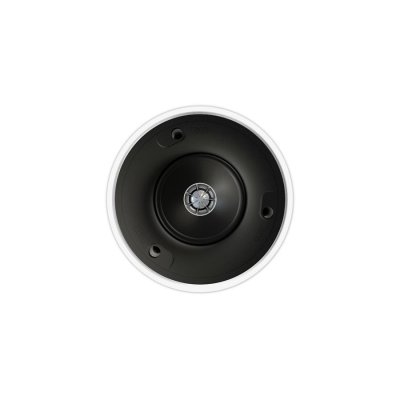
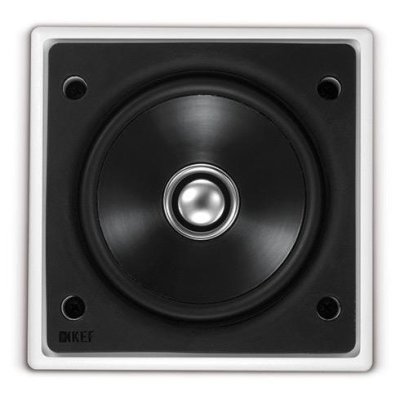
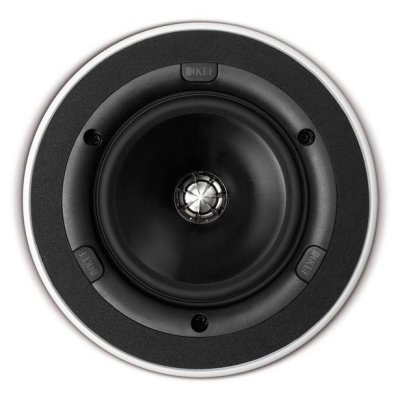
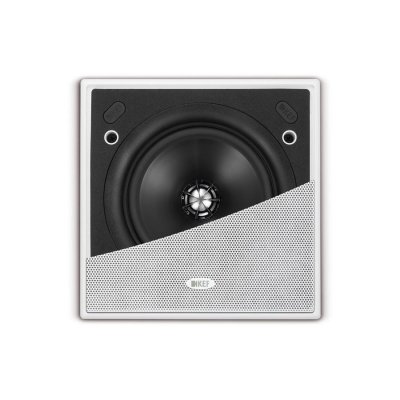
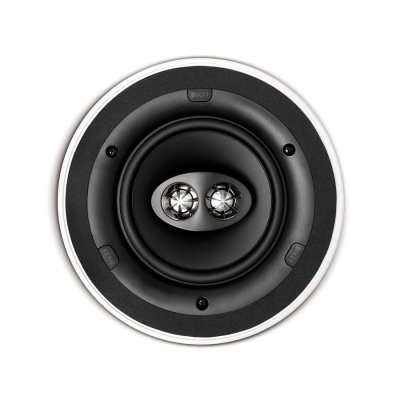
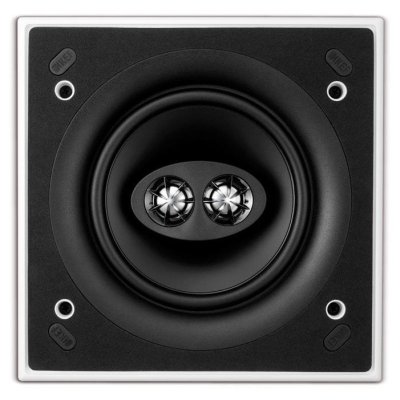
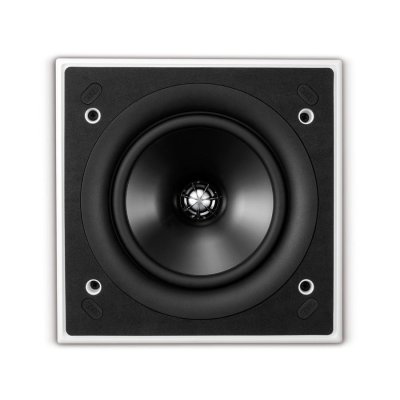
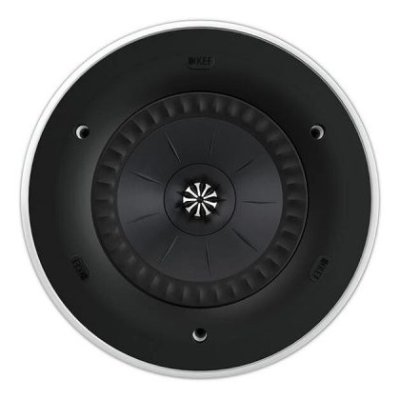
From its earliest days, KEF pursued a research-led approach to loudspeaker design. In 1973, KEF became the first loudspeaker manufacturer in the world to use computers in speaker design and measurement. The company's most significant technological contribution came in 1988 with the development of the patented Uni-Q driver — the world's first truly coincident-source speaker driver, which places a tweeter at the acoustic centre of a midrange cone to create a more natural, point-source soundstage. In 2020, KEF introduced Metamaterial Absorption Technology (MAT), recognised as Innovation of the Year by What Hi-Fi?
KEF was acquired by Hong Kong-based Gold Peak Group in 1992, with GP Acoustics operating as the parent subsidiary. Over its history, KEF has accumulated more than 300 awards and holds over 150 patents, reflecting a sustained commitment to acoustic research and materials innovation across its loudspeaker ranges.