


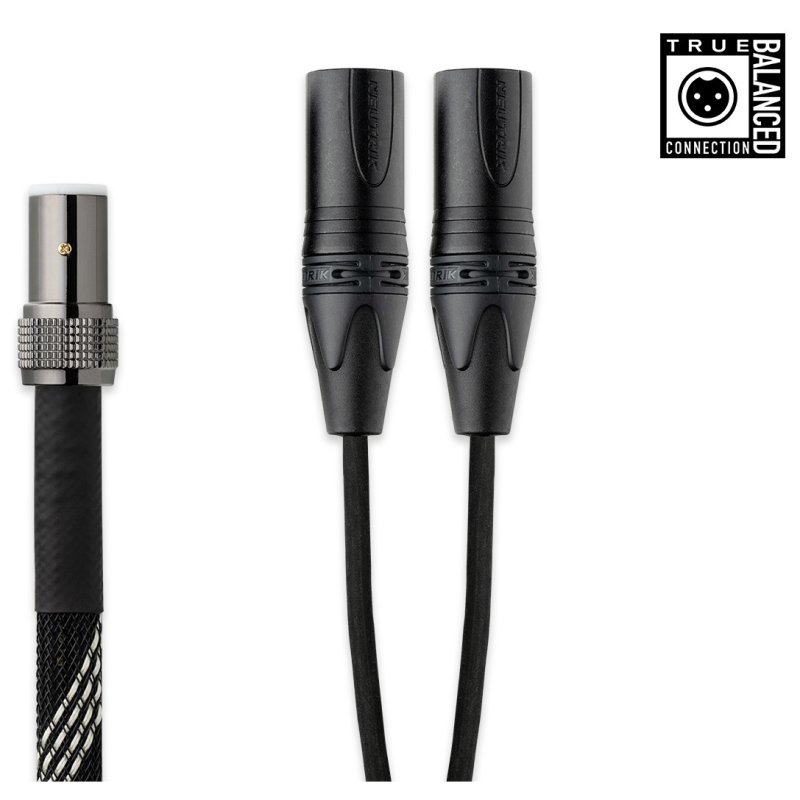

The Connect it Phono DS 5P / XLR (TB) sits within Pro-Ject Audio Systems’ DS cable range: the brand’s mid-tier signal cable family, positioned above the entry-level E series and below the reference RS line. Designed specifically to exploit the True Balanced Connection (TB) feature built into compatible Pro-Ject turntables, this 1.23m cable carries the phono signal from a 5-pin DIN output directly to a balanced XLR phono stage, preserving the differential signal path from cartridge to amplification stage.
Construction
The cable uses 99.99% OFC (oxygen-free copper) conductors with a cross-section of 2 x 0.2mm². The dielectric is a high-flexible cell polyethylene, chosen for its low cable capacitance (90 pF at 1.23m), which is a critical parameter in phono applications where excessive capacitance alters the RIAA equalisation curve. Shielding is provided by a helical OFC copper braid combined with a conductive thermoplastic elastomer (TPE) sub-jacket, which simultaneously protects the low-level phono signal from interference and maintains cable flexibility in use. The outer jacket is a special halogen-free TPE.
Connectors
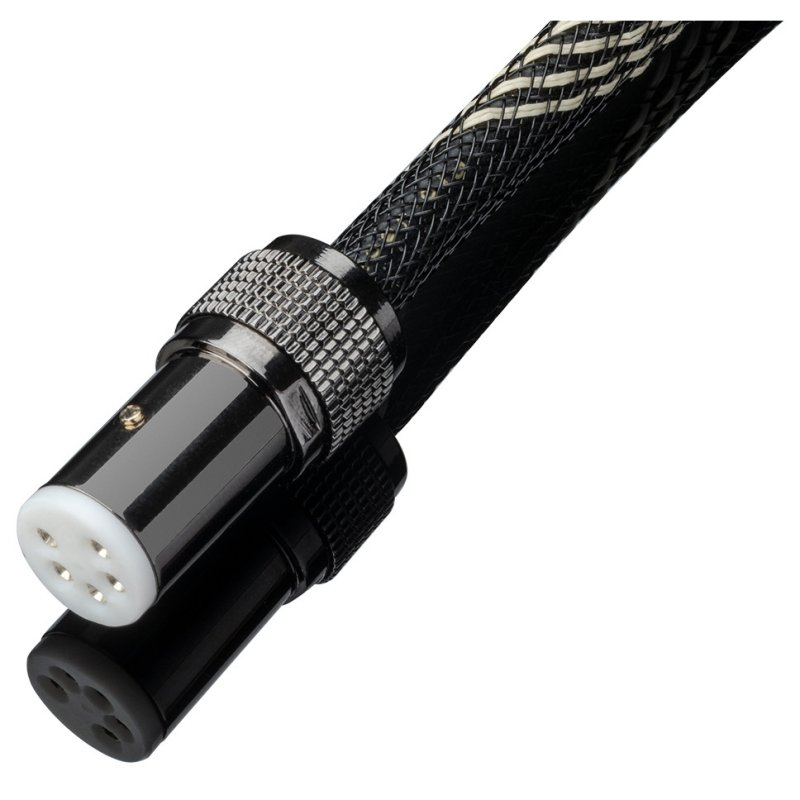
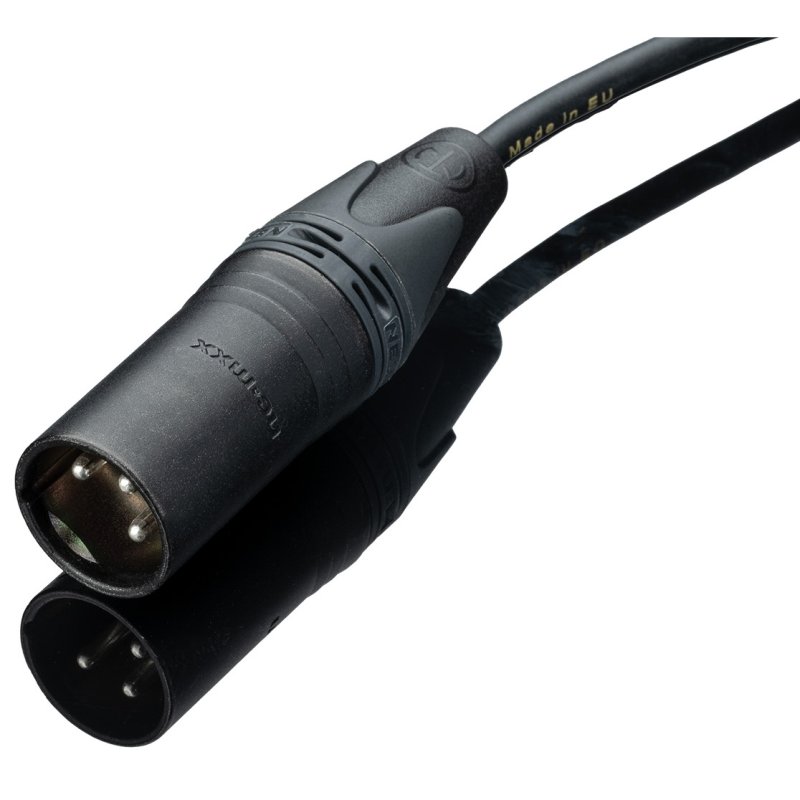
At the turntable end, a solid 5-pin DIN plug engages with the dedicated phono output socket found on Pro-Ject turntables that support True Balanced Connection. All DS series connectors feature silver plated signal pins, which Pro-Ject specifies for their higher conductivity and lower contact resistance compared to gold plating. At the phono stage end, two XLR male connectors carry the left and right balanced signals independently. The cable is handmade in Europe.
True Balanced Connection
The True Balanced Connection standard requires the turntable to be fitted with an MC cartridge or the Pick it PRO Balanced. When these conditions are met, the 5P DIN to XLR cable maintains a fully balanced differential signal from the cartridge pins through to the balanced inputs of the phono stage, avoiding the single-ended conversion that occurs with conventional RCA phono cables. This can reduce noise pickup and common-mode interference, particularly beneficial with low-output MC cartridges.