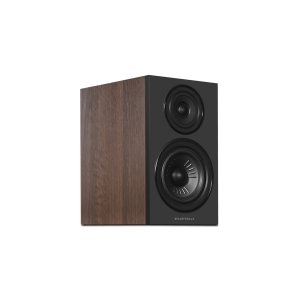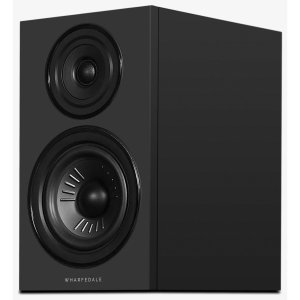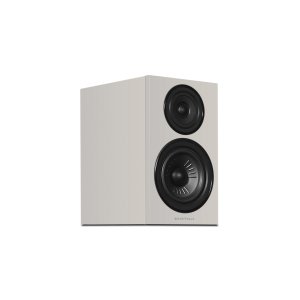

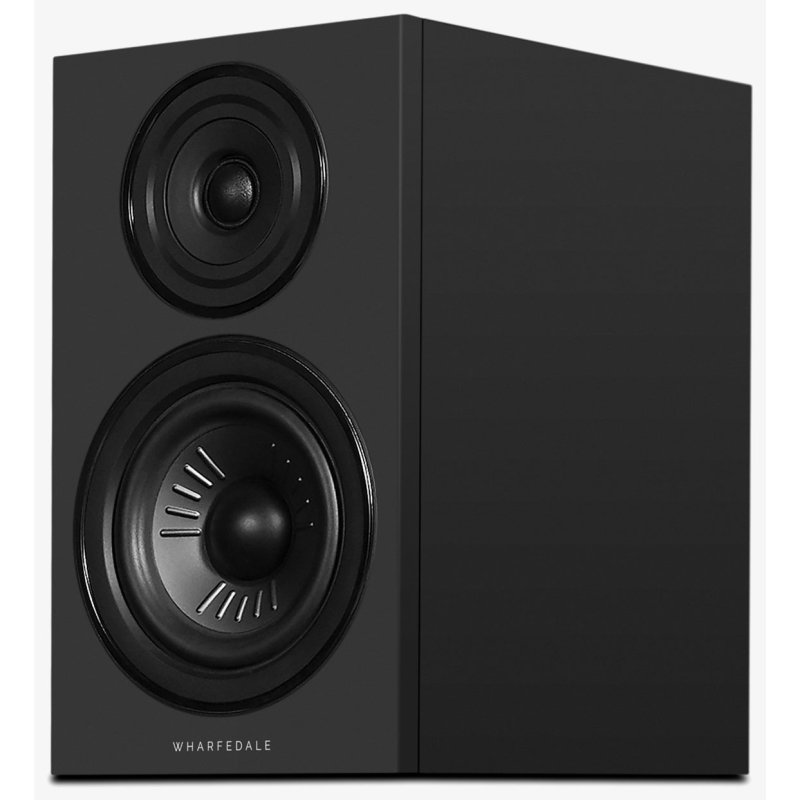
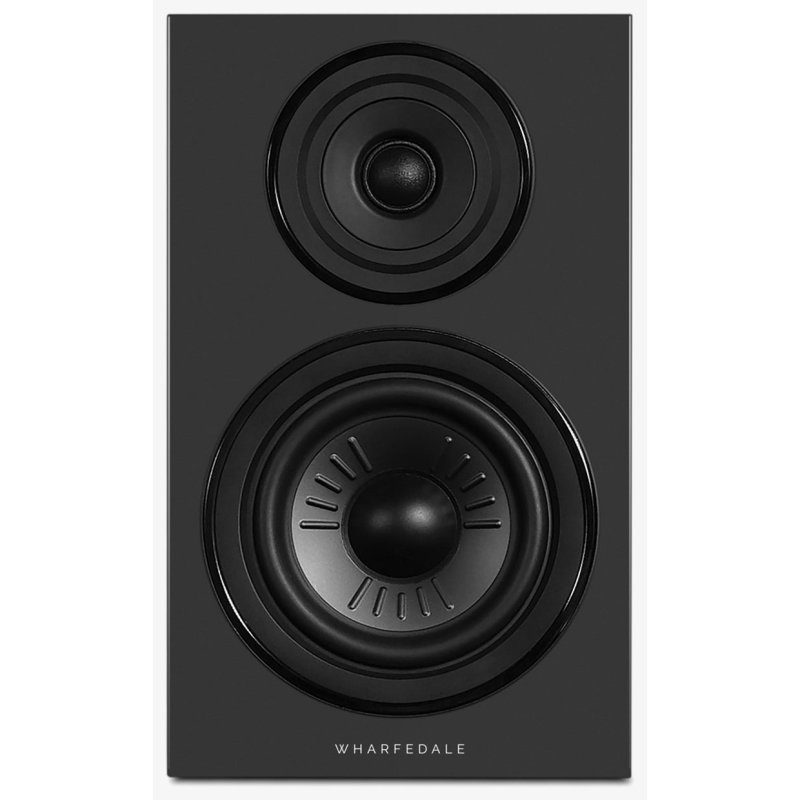
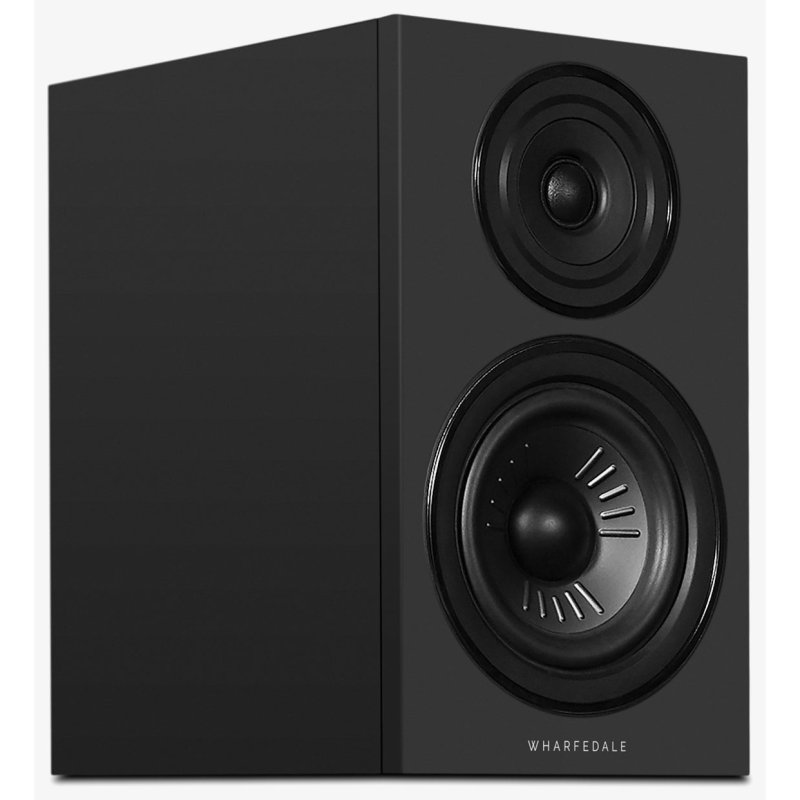
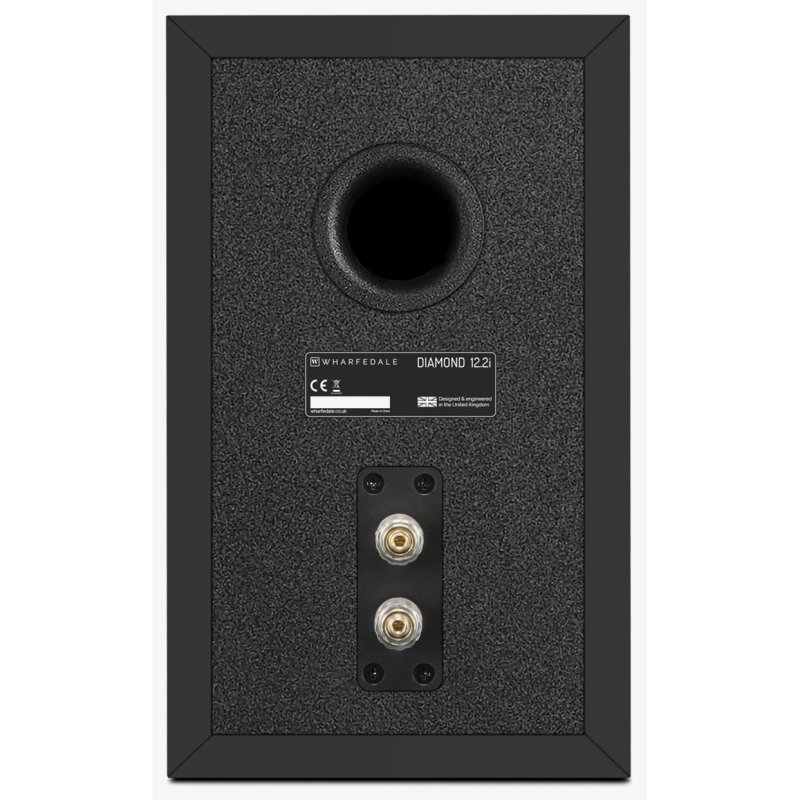
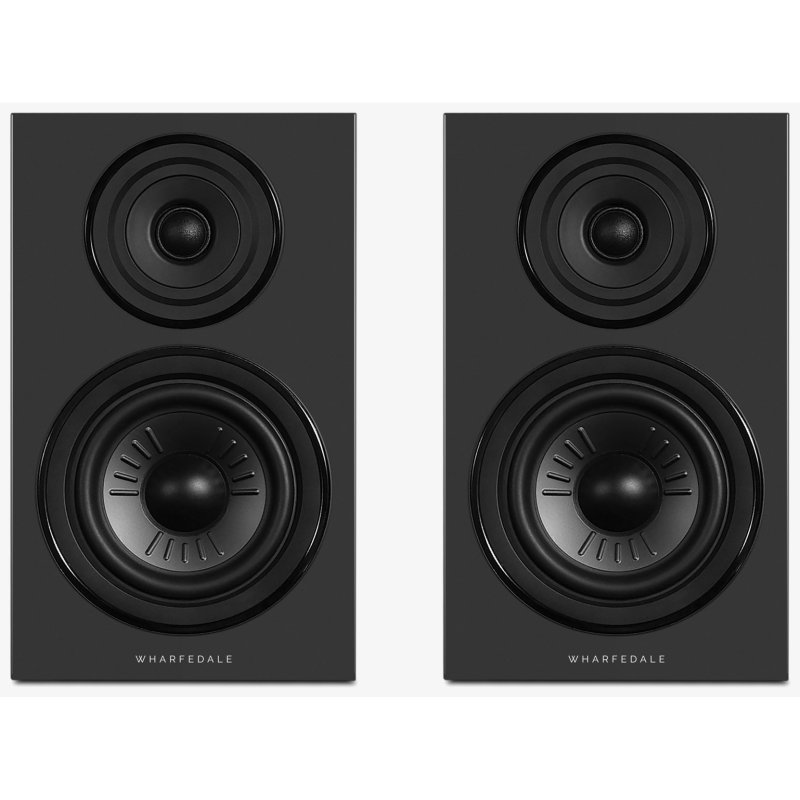
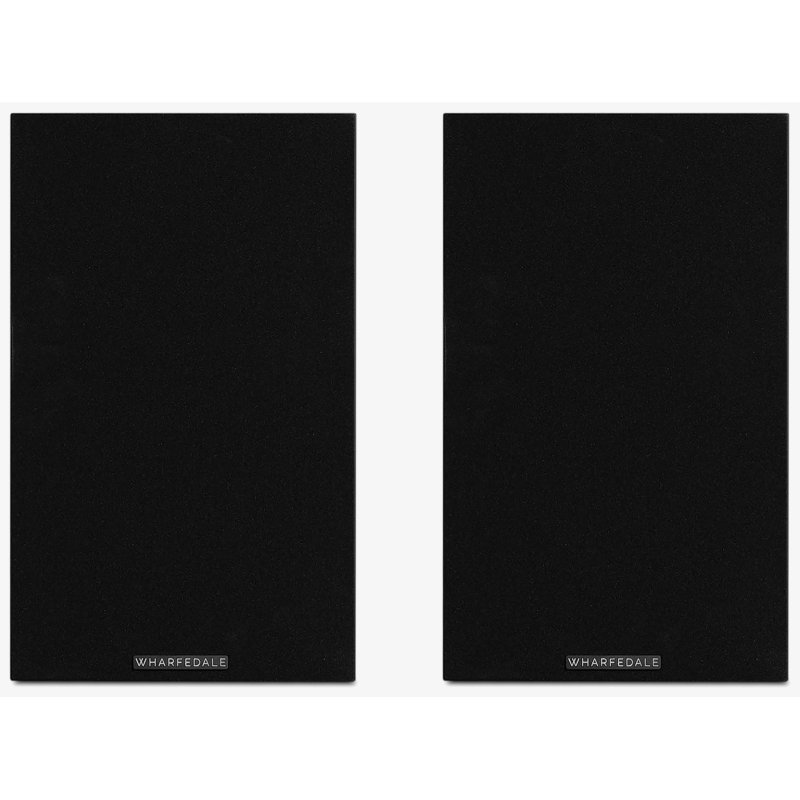

The Wharfedale Diamond 12.2i is a two-way bookshelf speaker sitting in the middle of the updated DIAMOND 12i Series, between the smaller 12.1i and the larger 12.3i floorstander. It pairs a 25mm textile dome tweeter with a 165mm Klarity mid/bass driver in a rear-ported cabinet, taking the foundations of the long-running Diamond 12 line and refining them with new finishes and revised port tuning.
Refined acoustic engineering
For the i-series update, Wharfedale's engineering team revisited the cabinet's bass port and internal damping. Led by Director of Acoustic Design Peter Comeau alongside senior engineers Dan Bailey Ornellas and Oliver Davies, the work used laser interferometry, anechoic and in-room measurements, and computational fluid dynamics to assess airflow and pressure inside the port. The result is a more controlled bass response with cleaner transitions between low and mid frequencies, while preserving the neutral character that defined the original Diamond 12.2.
Klarity cone technology
The 165mm mid/bass driver uses a Klarity cone, a blend of polypropylene and mica that combines stiffness with low distortion. The cone is lightweight and well-damped, giving expressive dynamics and precise transient response. A low-damping rubber surround supports a wide dynamic range, and ribbed cone shaping helps maintain a smooth frequency response. Each driver runs on a precisely tuned magnet system with an aluminium compensation ring that reduces inductance variation as the voice coil moves, lowering intermodulation distortion. The voice coil itself is wound on a high-power epoxy and glass fibre bobbin for improved thermal handling and structural rigidity.
25mm textile dome tweeter
High frequencies are handled by a 25mm woven polyester dome treated with a high-loss damping coating for an extended, smooth treble. The tweeter sits behind a flat front plate with a minimal waveguide, designed to broaden dispersion and improve off-axis response so the sense of stereo space holds across a wide listening area.
High-quality crossover
Inside the cabinet, a Linkwitz-Riley crossover network uses air-core inductors of the type usually found in higher-end designs. The network is tuned for minimal phase shift and a smooth handover between drivers at 2.0kHz, and the mid/bass motor system has been adjusted to compensate for the resistance of the higher-quality components.
Low-resonance cabinet
Each enclosure is built from a multi-layered sandwich construction designed to suppress panel resonance, with the adhesive between layers acoustically tested as part of the damping. Inside, computer-modelled spot bracing connects opposing cabinet walls to control vibration without transmitting energy from one panel to another. The new All-Black finish is a deep, semi-matte coating that gives the cabinet a sleek, contemporary look and complements the Walnut and Stone Grey alternatives in the range.