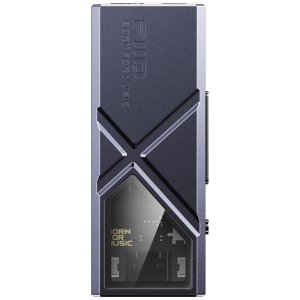

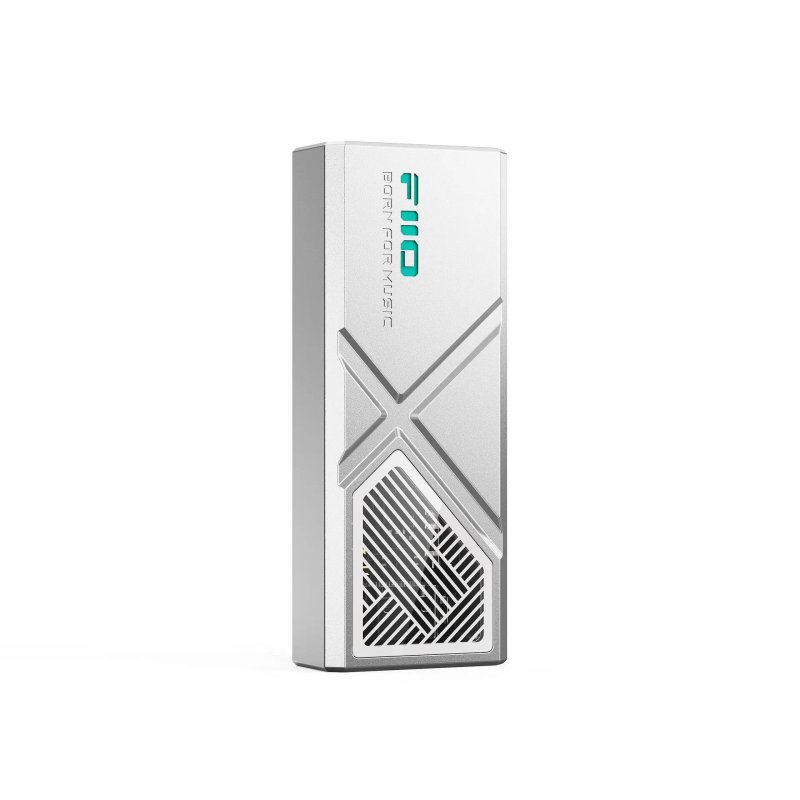
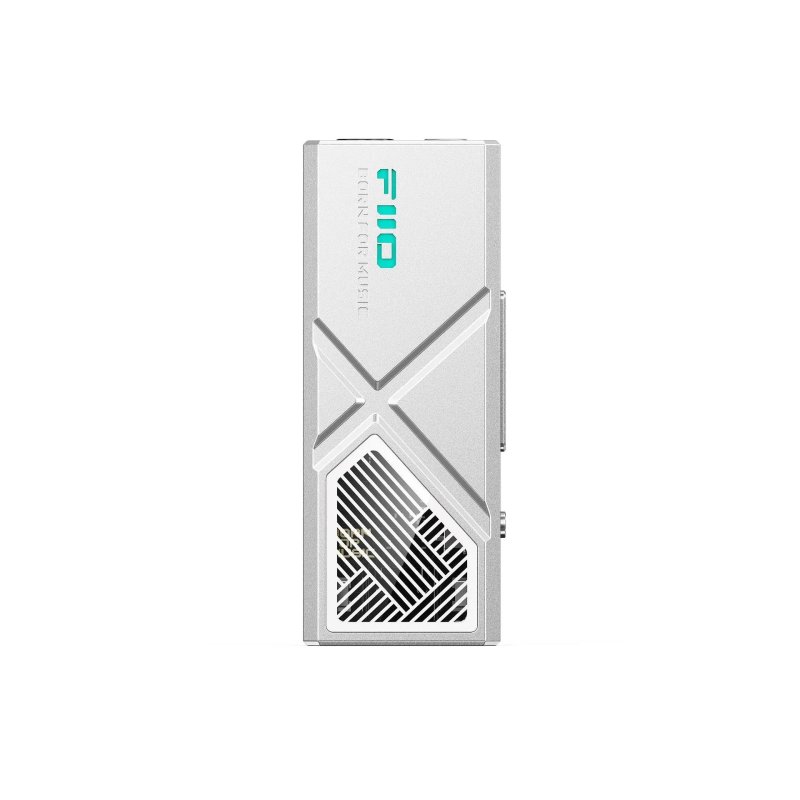
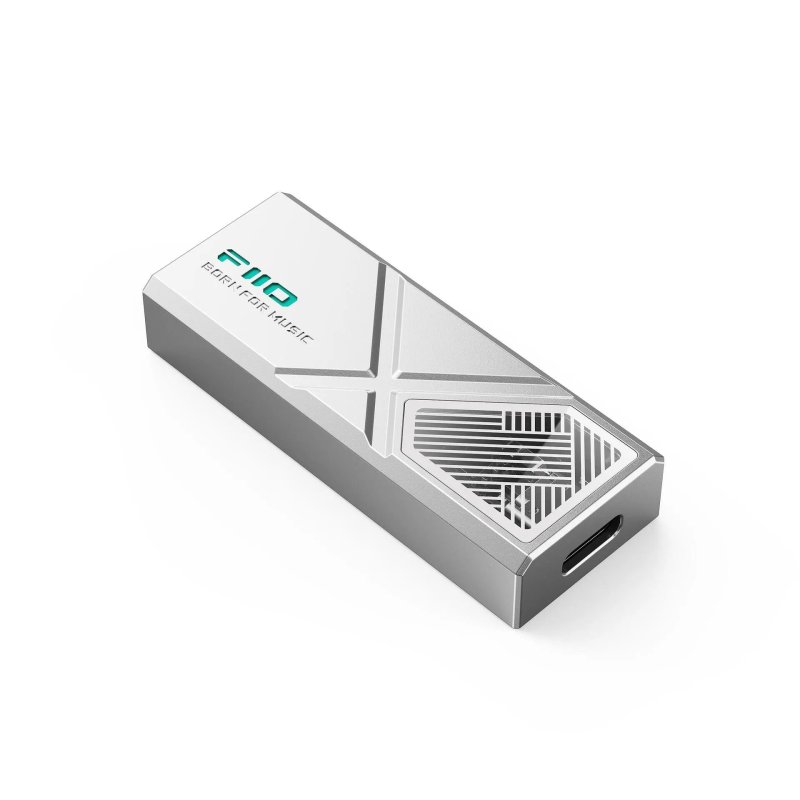
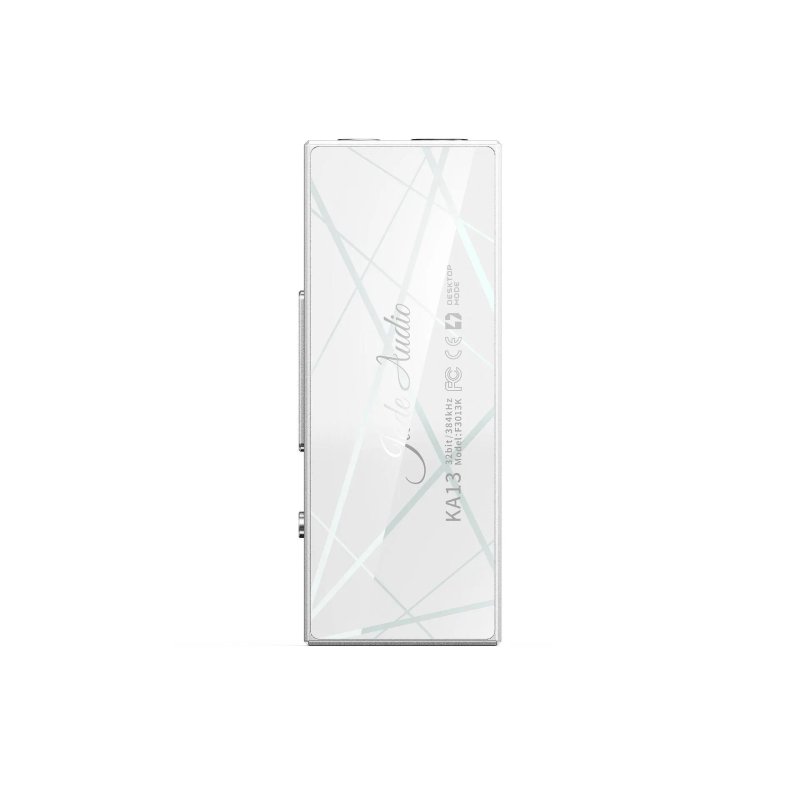

The FiiO KA13 sits at the upper end of FiiO's range of portable USB DAC/headphone amplifier dongles, positioned above the single-DAC KA11 and offering a significant step up in output power and balanced headphone capability. It is designed to bring high-resolution audio to smartphones, laptops, and computers without the need for a dedicated desktop setup.
Dual CS43131 DAC Architecture
At the heart of the KA13 are two Cirrus Logic CS43131 chips operating in a dual-mono configuration, paired with two SGM8262 op-amps. Each CS43131 integrates its own headphone amplifier stage, allowing the balanced 4.4mm output to be driven directly from a dedicated amplifier on each channel with no passive summing. This arrangement maximises channel separation and delivers up to 550 mW into 32 ohms from the balanced output, substantially more than most dongles in this class.
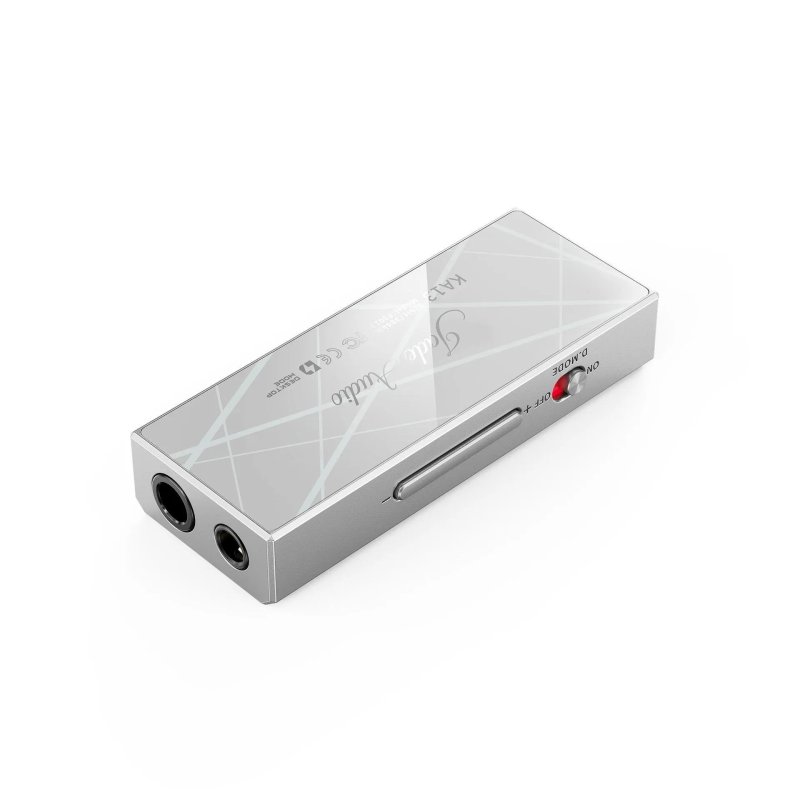
Two Headphone Outputs
The KA13 provides a 3.5mm single-ended output rated at 170 mW into 32 ohms, alongside the 4.4mm balanced output. Both outputs support high-resolution audio up to 384 kHz PCM at 32 bits and DSD256. A Desktop mode switch boosts the balanced output power for use with harder-to-drive headphones, at the cost of increased drain on the connected device's battery. The 3.5mm output also doubles as a coaxial SPDIF output when enabled through the FiiO Control app, allowing the KA13 to function as a USB-to-SPDIF interface for external DACs.
Practical Features
A physical volume control on the body allows level adjustment without touching the connected device. An RGB status indicator changes colour to reflect the incoming signal format: light blue for standard resolution up to 48 kHz, yellow for high-resolution PCM above 48 kHz, and green for DSD. The KA13 is compatible with the FiiO Control app on Android for further tuning, including filter selection and SPDIF output settings. In the box: a USB-C to USB-C cable, a USB-C to Lightning cable, and a USB Type-A adapter.
Compact and Lightweight
Measuring 56.3 x 22 x 10.5 mm and weighing 18.5 g, the KA13 is designed to be carried alongside a smartphone or clipped to a cable without adding meaningful bulk. It requires no battery of its own, drawing all operating power from the connected device via USB.